Address Roof Damage Before Weather Creates Bigger Issues
Stop Roof Damage With Our Roof Repair Services In Helena, MT
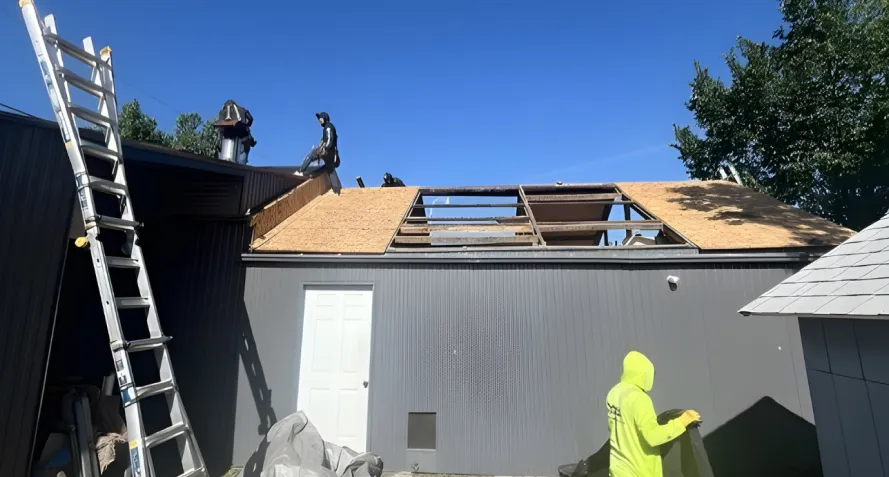
Most roof repairs begin with a problem that seems insignificant. A few missing shingles after a windstorm. A water stain near a ceiling corner. A small drip during heavy rain. Many property owners assume these issues can wait, especially when the damage appears limited. Unfortunately, roofing systems rarely work that way.
Water has a way of finding paths that are difficult to trace. A leak entering near a roof penetration may travel through decking, insulation, framing, and wall cavities before becoming visible inside the structure. By the time a stain appears on a ceiling, moisture may have already affected materials hidden from view. What looked like a simple repair can quickly become a larger restoration project involving insulation, drywall, framing, or interior finishes.
Weather conditions throughout Helena can accelerate the process. Snow accumulation, freeze-thaw cycles, hail impacts, high winds, and seasonal storms continually test roofing materials. Small openings often become larger as materials expand, contract, and experience repeated exposure throughout the year.
At Hearen Industries, we provide roof repair services for residential and commercial property owners dealing with active leaks, storm damage, flashing failures, missing materials, and other roofing concerns. Our goal is to identify the source of the problem, explain what is happening, and address the issue before additional damage spreads through the structure.
The Warning Signs Many Property Owners Miss
One of the challenges with roof repair is that the earliest warning signs are often subtle. Property owners frequently focus on what they can see from inside the building, while the actual damage may be developing elsewhere on the roof.
A leak does not always create a dramatic ceiling stain immediately. Moisture can remain hidden for weeks or months before visible evidence appears. Likewise, a roof can sustain storm damage even when no immediate leaks are present.
Common signs that roof repair services may be needed include:
- Ceiling Stains: Discoloration, bubbling paint, or water marks may indicate moisture intrusion through damaged roofing components.
- Missing Shingles: Wind can remove shingles or loosen materials, exposing underlying layers to weather exposure.
- Granule Loss: Excessive granules in gutters often suggest aging shingles that are losing protective surface material.
- Damaged Flashing: Flashing around chimneys, vents, skylights, and penetrations can create common leak entry points.
- Visible Sagging: Areas that appear uneven may indicate underlying moisture damage affecting structural components.
- Interior Moisture Odors: Persistent musty smells may point to hidden moisture accumulation associated with roofing concerns.
Identifying these warning signs early often helps reduce repair costs and limits the spread of water-related damage.
What Causes Roofing Systems To Fail
Many people assume roofs only fail because they become old. Age certainly plays a role, but roofing damage is often caused by a combination of factors.
Storm activity remains one of the most common causes of roof repair. High winds can lift shingles, hail can bruise roofing surfaces, and flying debris can create punctures that allow water entry.
Weather is only part of the equation.
Improper drainage may cause water to collect in vulnerable areas. Flashing failures can create openings around penetrations. Damaged sealants may allow moisture to enter areas that previously remained protected. Poor ventilation can contribute to excess heat and moisture buildup inside attic spaces.
Common causes of roof repair include:
- Roof leak repair needs
- Flashing repair issues
- Storm damage
- Wind damage
- Hail impacts
- Ice dam formation
- Drainage concerns
- Aging roofing materials
- Installation defects
- Ventilation problems
Every repair begins with understanding what caused the issue rather than simply treating the visible symptom.
What A Roof Repair Project Involves
Roof repair projects vary significantly depending on the source of the problem. Some issues involve isolated material replacement, while others require broader corrective work to address hidden damage.
The process generally begins with a detailed evaluation. We inspect visible damage, examine surrounding roofing components, assess potential leak pathways, and determine whether moisture has affected underlying materials.
Depending on the findings, repair work may involve:
- Shingle replacement
- Flashing repair
- Leak sealing
- Roof leak detection and repair
- Storm damage correction
- Vent repairs
- Drainage improvements
- Emergency roof repair measures
For properties with rooftop equipment or solar panel systems, additional planning may be necessary to provide safe access to affected areas.
A proper repair should address both the visible damage and the conditions that allowed the problem to develop. Otherwise, the issue may return during the next storm cycle.
Why Quick Action Often Saves Money
One of the most expensive assumptions property owners make is believing a leak can wait until a more convenient time.
Water rarely remains confined to a single location. Once moisture enters a roofing system, it may spread through insulation, decking, framing, and interior materials. Mold growth, structural deterioration, and energy-efficiency losses can all follow prolonged exposure.
The longer damage remains unresolved, the more variables become involved.
A relatively small flashing repair may eventually lead to damaged insulation. A minor leak may contribute to drywall replacement. Moisture trapped inside structural assemblies can affect areas that require significantly more labor to repair than the original roofing issue.
Addressing roof repair needs early often helps:
- Reduce restoration costs
- Protect structural materials
- Preserve insulation performance
- Prevent interior damage
- Limit moisture intrusion
- Extend roof lifespan
- Improve overall building protection
How Montana Weather Influences Roof Repair Decisions
Roof repair decisions in Helena are heavily influenced by seasonal weather patterns.
Winter conditions often expose weaknesses that developed during warmer months. Snow accumulation can place additional stress on compromised roofing components, while freeze-thaw cycles may enlarge existing openings. Ice dams can force water beneath roofing materials and create moisture intrusion in unexpected areas.
Spring frequently reveals issues that remained hidden beneath winter snow cover. Summer brings heat expansion, UV exposure, thunderstorms, and occasional hail events capable of damaging roofing surfaces.
Because roofing systems experience year-round exposure, repairs are often more effective when addressed promptly rather than postponed until damage becomes more visible.
Regular inspections following significant weather events can help identify developing concerns before they become larger restoration projects.
Protect The Roof Before The Damage Reaches The Interior
Roof repair services are ultimately about limiting the spread of damage. The sooner a problem is identified, the more options property owners typically have available.
Whether you’re dealing with roof leak repair, flashing repair, emergency roof repair, storm-related damage, or signs of moisture intrusion, understanding the source of the issue is the first step toward protecting the structure.
Hearen Industries helps residential and commercial property owners in Helena, MT, evaluate roofing concerns, identify damage pathways, and determine practical repair solutions based on the condition of the roofing system.
Frequently Asked Questions About Roof Repair Services
How do I know if a leak is coming from the roof?
Roof leaks often create ceiling stains, moisture odors, insulation damage, or visible water intrusion during storms.
Can missing shingles cause major damage?
Yes. Missing shingles expose underlying materials to weather, increasing the risk of moisture intrusion.
Is emergency roof repair always necessary?
Not always, but active leaks and storm damage should be evaluated quickly to prevent additional damage.
How long can a roof leak go unnoticed?
Some leaks remain hidden for months before visible signs appear inside the structure.
Does hail always create visible roof damage?
No. Hail damage may affect roofing materials without creating obvious signs from ground level.
Can flashing failures cause leaks?
Yes. Damaged flashing remains one of the most common sources of roofing leaks.
What happens if moisture reaches insulation?
Insulation performance may decline, and moisture can contribute to mold growth and additional structural concerns.
When should a roof be repaired instead of replaced?
The decision depends on roof age, overall condition, repair history, and the extent of the damage present.
Find The Source Of Roof Damage Before It Spreads Further
Discuss active leaks, storm damage, and repair options for your property.