Address Roof Damage Before Weather Creates Bigger Issues
Stop Hidden Water Intrusion Fast With Roof Leak Detection In Helena, MT
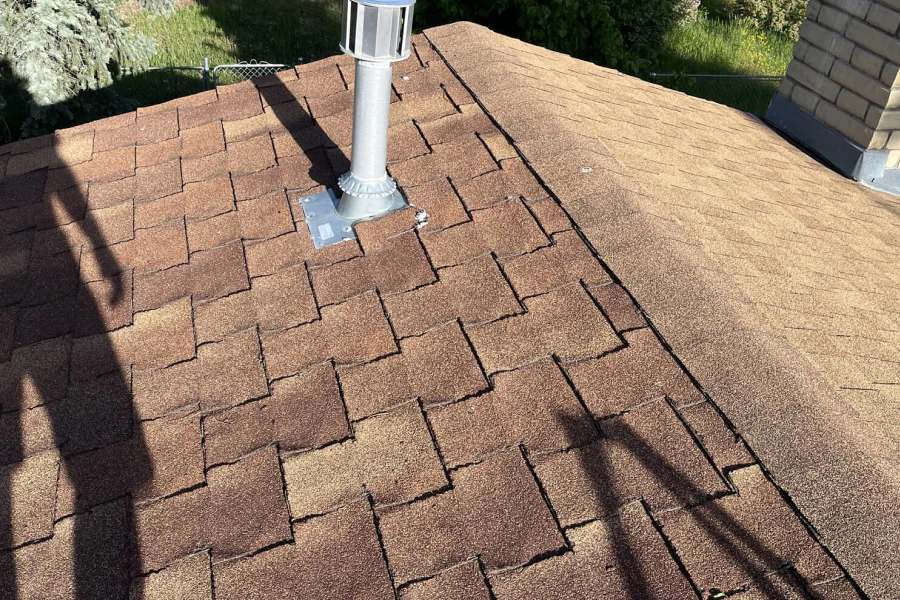
Few roofing problems create more frustration than a leak that refuses to reveal its source.
You notice a stain on the ceiling. Water appears around a window frame after heavy rain. A section of drywall begins to discolor. The natural assumption is that the leak is directly above the visible damage. In many cases, that assumption is wrong.
Water rarely travels in a straight line. Once moisture enters a roofing system, it can move along framing members, insulation, underlayment, ventilation pathways, and structural components before finally becoming visible inside the building. The location where water appears is often far removed from where it entered.
This is why roof leak detection is different from standard roof repair. Before repairs can be planned properly, the source of the moisture must be identified. Repairing the wrong area may temporarily reduce symptoms while allowing the actual problem to continue spreading behind walls, ceilings, and insulation.
At Hearen Industries, we provide roof leak detection services for residential and commercial property owners throughout Helena, MT. Whether you’re dealing with recurring leaks, unexplained moisture, storm-related concerns, or signs of water intrusion that seem impossible to trace, we help identify where moisture is entering and what conditions are contributing to the problem.
Why Roof Leaks Are Often Difficult To Locate
Many property owners assume a leak should be easy to find. Unfortunately, roofing systems are complex assemblies that create numerous pathways for water movement once moisture enters.
A small opening near a vent pipe may allow water to travel several feet before becoming visible. Damaged flashing around a chimney may create staining in an entirely different room. Ice dams can force moisture beneath roofing materials and create leaks that appear unrelated to the roof itself.
Some of the most challenging leaks involve:
- Intermittent Leaks: Water only appears during certain weather conditions, making the source difficult to identify.
- Wind-Driven Rain Leaks: Moisture enters only when storms approach from specific directions.
- Seasonal Leaks: Problems associated with snow accumulation, ice formation, or spring runoff.
- Hidden Flashing Failures: Small gaps around penetrations or transitions that are difficult to see from ground level.
- Multiple Entry Points: Older roofing systems sometimes allow moisture to enter through more than one vulnerable area.
Understanding how water behaves within a roofing assembly is often the key to finding the actual source rather than simply treating the symptoms.
Common Warning Signs Of Hidden Roof Leaks
Not every leak announces itself dramatically.
Many begin as subtle changes that property owners notice over time. The earlier these signs are identified, the easier it often becomes to limit damage and identify the source.
Warning signs may include:
- Ceiling discoloration
- Peeling paint
- Bubbling drywall
- Musty odors
- Damp attic insulation
- Mold growth
- Water stains around windows
- Moisture near light fixtures
- Dripping during storms
- Unexplained interior humidity
Commercial properties may also experience:
- Ceiling tile staining
- Insulation deterioration
- Moisture around rooftop penetrations
- Water near HVAC systems
- Damage around roof access points
Visible water is often only one symptom. The actual moisture intrusion may have been developing long before it became noticeable.
What Causes Roof Leaks To Develop
A leak is not a problem by itself. It is the result of another condition that allows water to enter the building.
Finding that underlying condition is what makes roof leak detection valuable.
Common causes of roof leaks include:
Damaged Flashing
Flashing protects vulnerable areas around chimneys, skylights, vents, and transitions. When flashing deteriorates or separates, water often finds an entry point.
Storm Damage
High winds, hail, and debris impacts can create openings that remain hidden until later weather events reveal them.
Aging Roofing Materials
Over time, shingles, membranes, sealants, and other components lose their ability to resist moisture.
Drainage Problems
Water that remains on the roof longer than intended may eventually exploit vulnerable areas.
Ice Dams
During winter, melting snow can refreeze near roof edges and force water beneath roofing materials.
Rooftop Equipment
HVAC units, solar panels, vents, and other penetrations create additional locations where leaks may develop if surrounding components deteriorate.
Understanding the cause helps ensure repairs address the actual problem rather than simply covering visible damage.
What A Roof Leak Detection Investigation Involves
Leak detection requires a methodical approach.
Instead of focusing solely on the visible symptoms, the process involves evaluating the entire roofing system and considering how water may be moving through the structure.
Depending on conditions, the investigation may include:
- Roof surface evaluation
- Flashing inspections
- Moisture tracing
- Interior assessments
- Attic observations
- Drainage review
- Storm damage evaluation
- Rooftop equipment inspection
- Sealant condition assessment
- Ventilation review
The objective is to answer two important questions:
- Where is the water entering?
- Why is it entering?
Only after those questions are answered can a meaningful repair strategy be developed.
How Helena Weather Contributes To Leak Development
Roof leaks in Montana often behave differently than leaks in milder climates.
Winter weather introduces unique challenges through snow accumulation, ice dams, and repeated freeze-thaw cycles. Small openings that might go unnoticed during summer can become significant moisture pathways once snow remains on the roof for extended periods.
Spring runoff frequently exposes hidden drainage concerns. Summer thunderstorms introduce wind-driven rain and hail impacts capable of damaging roofing components. Strong seasonal temperature changes can also affect flashing, sealants, and roofing materials over time.
Because roofing systems experience multiple forms of environmental stress throughout the year, leak detection often requires considering how different weather conditions interact with the roof rather than focusing on a single event.
Understanding local weather patterns often helps explain why certain leaks appear only during specific seasons.
Finding The Source Is The First Step Toward Stopping The Damage
Roof leaks rarely improve on their own.
The longer moisture continues entering a structure, the greater the potential for insulation damage, mold growth, interior deterioration, structural concerns, and additional repair expenses.
The challenge is that repairing the wrong area may leave the true source untouched.
Whether you’re dealing with recurring leaks, unexplained moisture, storm-related water intrusion, or signs of hidden roof damage, roof leak detection provides the information needed to make informed repair decisions.
Hearen Industries helps residential and commercial property owners in Helena, MT, identify leak sources, understand contributing conditions, and develop practical solutions that address the problem at its origin.
Frequently Asked Questions About Roof Leak Detection
Why can't I find the source of the leak myself?
Water often travels through hidden pathways before becoming visible, making the entry point difficult to identify.
Does a ceiling stain always indicate roof damage?
Not always. Moisture can originate from roofing issues, flashing failures, ventilation concerns, or other building components.
Can a roof leak appear far from where water enters?
Yes. Water frequently moves through structural assemblies before becoming visible.
Do roof leaks always occur during rainstorms?
No. Some leaks appear during snowmelt, ice dam formation, or specific weather conditions.
Can hail create leaks immediately?
Sometimes. In other cases, hail damage weakens roofing materials and allows future moisture intrusion.
What happens if a leak remains unresolved?
Moisture may affect insulation, framing, drywall, ceilings, and other structural components over time.
Are commercial roof leaks different from residential leaks?
Commercial roofing systems often involve larger roof areas, rooftop equipment, and drainage considerations that influence leak behavior.
Can leak detection help avoid unnecessary repairs?
Yes. Identifying the actual source helps prevent repairs from being performed in the wrong location.
Trace The Leak Before Moisture Reaches More Of The Building
Identify the source of water intrusion and explore practical repair options.