Address Roof Damage Before Weather Creates Bigger Issues
Prevent Costly Interior Damage With A Residential Roofer Serving Helena, MT
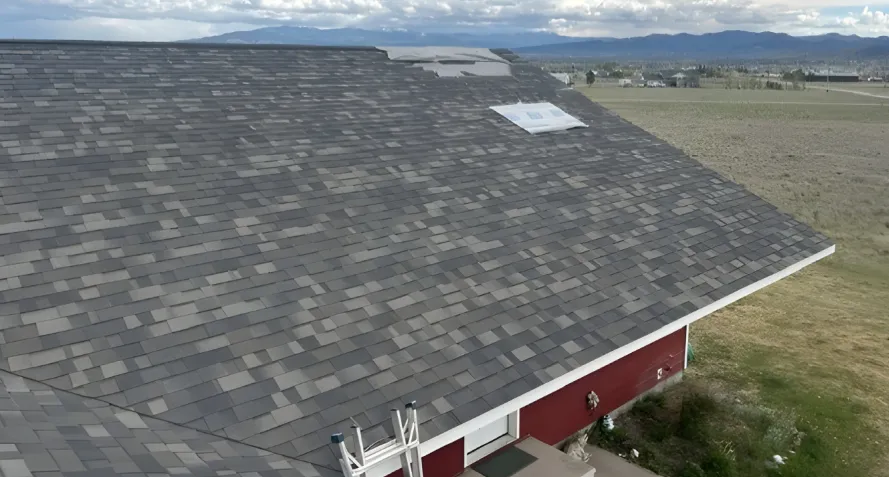
A roof does not usually fail all at once. Most homeowners first notice a small ceiling stain, a missing shingle after a windstorm, higher energy bills, or signs of moisture in the attic. Unfortunately, what appears minor from inside the home often points to larger issues developing above the living space. Water can travel through decking, insulation, ventilation pathways, and framing long before it becomes visible indoors.
Montana weather only accelerates the process. Snow accumulation, ice formation, wind-driven rain, hail impacts, and seasonal temperature swings place constant stress on residential roofing systems. Materials expand and contract throughout the year, flashing can loosen, sealants can deteriorate, and aging shingles may lose their ability to shed water effectively.
At Hearen Industries, we help homeowners identify roofing concerns before they become major structural problems. Our residential roofing services cover inspections, repairs, roof replacement, new roof installation, and long-term roof system planning. Whether you’re dealing with active damage, preparing a home for sale, recovering from a storm, or evaluating an aging roof, we help you understand the condition of the system and the options available. Our goal is to help homeowners make informed decisions that protect both their property and their investment.
Recognizing Roofing Problems Before They Become Expensive Repairs
Many homeowners assume roof damage is obvious. In reality, some of the most expensive repairs begin with subtle warning signs that are easy to overlook.
A small leak may enter near a vent pipe but appear as a ceiling stain several rooms away. Missing shingles may expose underlayment that continues protecting the home temporarily while hidden deterioration develops underneath. Gutters that overflow during storms may indicate drainage issues that affect roofing components over time.
Common signs that residential roofing services may be needed include:
- Water Stains: Brown ceiling marks, discoloration, or peeling paint often indicate moisture entering the home through compromised roofing components.
- Damaged Shingles: Curling, cracking, missing granules, or wind-lifted shingles can reduce the roof’s ability to shed water effectively during storms.
- Attic Moisture: Condensation, mold growth, damp insulation, or musty odors in attic spaces often point to roofing or ventilation concerns.
- Storm Damage: Hail impacts, fallen branches, and wind events can create damage that is not always visible from ground level.
- Aging Materials: Roofing systems nearing the end of their expected lifespan should be evaluated before failure occurs unexpectedly.
Addressing these concerns early often helps homeowners avoid larger repair expenses and interior damage.
Choosing The Right Roofing System For Montana Conditions
Not every roofing material performs the same way in every climate. Helena’s seasonal weather patterns create challenges that influence material selection, installation methods, and long-term performance.
Asphalt shingles remain one of the most popular options because they provide strong protection while fitting a wide range of budgets and architectural styles. Modern architectural shingles offer improved wind resistance and durability compared to older three-tab products.
Metal roofing continues to gain popularity among homeowners looking for extended service life and strong performance during snow events. Properly installed metal systems can encourage snow shedding while reducing some maintenance concerns associated with aging shingle systems.
When evaluating roofing materials, homeowners consider:
- Expected lifespan
- Wind resistance
- Hail resistance
- Appearance
- Maintenance requirements
- Energy performance
- Long-term ownership costs
The right choice depends on the home’s design, exposure conditions, budget considerations, and long-term goals.
What Homeowners Should Expect During A Roofing Project
One of the biggest concerns homeowners have is uncertainty about the process itself.
Every project begins with an evaluation of the existing roofing system. We assess visible damage, structural considerations, flashing conditions, ventilation performance, drainage concerns, and material condition before discussing recommendations.
Depending on the findings, the project may involve:
- Targeted repairs
- Partial roofing work
- Full roof replacement
- New roof installation
- Preventative improvements
If solar panels are present, planning becomes especially important. Roofing work must account for safe removal and reinstallation procedures to help protect rooftop equipment while allowing proper access to the roofing system below.
Throughout the project, homeowners should understand what work is being performed, why it is necessary, and what results can reasonably be expected. Clear communication helps eliminate surprises and supports better decision-making throughout the process.
How Helena Weather Impacts Residential Roofing Systems
A roofing system in Montana experiences conditions that differ significantly from many other regions.
Winter snowfall places weight on roofing structures, while freeze-thaw cycles can contribute to ice formation around roof edges and drainage areas. As temperatures fluctuate, moisture can move into small openings and expand when frozen, increasing the potential for damage.
Spring often reveals issues that developed during winter. Snowmelt may expose drainage concerns, flashing failures, or moisture intrusion that remained hidden beneath snow cover.
Summer brings its own challenges through intense sunlight, thermal expansion, and occasional hailstorms capable of damaging roofing materials.
These seasonal conditions make routine inspections especially valuable. Small issues identified early are often easier to address than widespread damage discovered after multiple seasons of exposure.
Protecting Your Home Through Proactive Roofing Decisions
Residential roofing services are about more than replacing shingles. They play a critical role in protecting structural components, interior finishes, insulation, ventilation systems, and long-term property value.
Many homeowners wait until a visible leak appears before evaluating their roof. By that point, water may have already affected areas that cannot be seen from the living space. Regular inspections, timely repairs, and informed planning often reduce the likelihood of unexpected emergencies and major restoration costs.
Whether your home requires residential roof repair, residential roof installation, a residential roof inspection, or guidance regarding an aging roofing system, Hearen Industries helps homeowners understand the condition of their roof and determine practical solutions based on their goals and property needs.
Frequently Asked Questions About Residential Roofing Services
How often should a residential roof be inspected?
Most homes benefit from routine inspections, particularly after severe storms and before winter weather arrives.
How do I know whether I need repairs or replacement?
The extent of damage, age of materials, repair history, and overall roof condition all contribute to that decision.
Can a small leak become a major problem?
Yes. Water often travels through concealed areas before visible signs appear inside the home.
What roofing materials are commonly used in Helena?
Asphalt shingles and metal roofing systems remain among the most common residential options.
Does hail always leave visible damage?
Not always. Some forms of hail damage are difficult to identify without a closer inspection.
Can solar panels affect roofing projects?
Yes. Proper coordination is required when roofing work involves homes with rooftop solar systems.
How long does a roof replacement take?
Project timelines vary based on roof size, weather conditions, material selection, and site complexity.
What happens if storm damage is discovered?
The roof should be evaluated promptly so temporary protection measures and restoration planning can begin.
Address Roofing Concerns Before Weather Makes Them Worse
Discuss your roofing concerns and explore practical solutions for your home.