Address Roof Damage Before Weather Creates Bigger Issues
Limit Property Damage Fast With Emergency Roof Tarping In Helena, MT
The hours immediately following roof damage are often the most important.
Whether a tree branch has punctured the roof, wind has removed shingles, hail has compromised roofing materials, or severe weather has created an active leak, the priority shifts from permanent repairs to preventing additional damage. Every rainfall, snow event, or period of moisture exposure that follows can increase the amount of restoration work required inside the building.
Many property owners assume the roofing damage itself is the biggest concern. In reality, the damage that occurs after the initial event is often more costly. Water entering through an exposed area can affect insulation, drywall, ceilings, framing, flooring, electrical components, inventory, furniture, and equipment. What began as localized roof damage may quickly spread into multiple areas of the property.
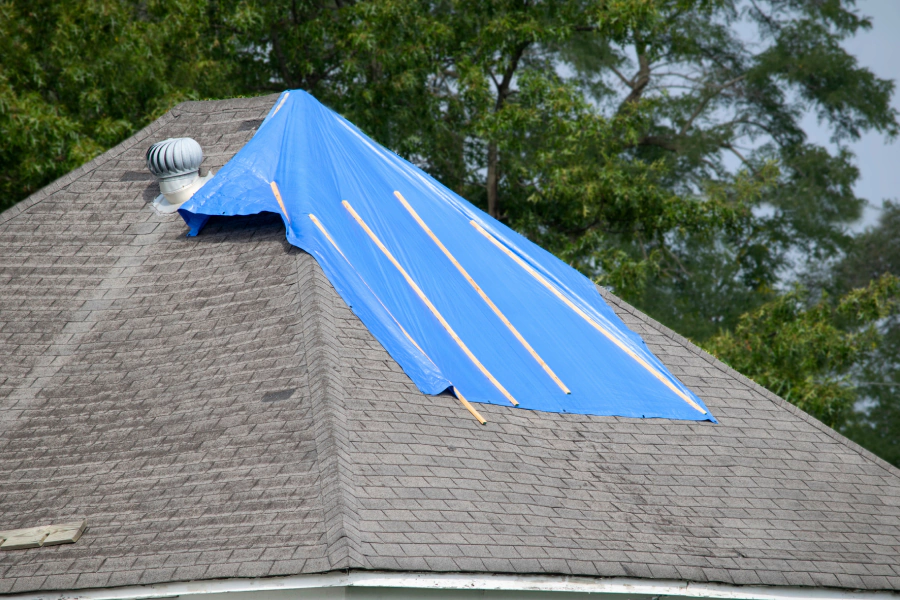
Emergency roof tarping serves as a temporary protective measure intended to reduce additional moisture intrusion until permanent repairs or restoration work can be completed. It is not a substitute for repairing the roof, but it can play a critical role in protecting the structure while longer-term decisions are being made.
At Hearen Industries, we provide emergency roof tarping and storm response services for residential and commercial property owners throughout Helena, MT. Whether you’re dealing with recent storm damage, active leaks, wind-related failures, or sudden roof exposure caused by falling debris, we help stabilize the situation and create a path toward permanent restoration.
When Emergency Roof Tarping Becomes Necessary
Not every roofing issue requires emergency stabilization. However, certain situations create immediate risks that should be addressed as quickly as possible.
The most common reason for emergency tarping is exposure. Once roofing materials are damaged or removed, the building loses part of its protection against weather conditions.
Situations that often require emergency roof tarping include:
- Wind Damage: Strong winds may remove shingles, metal panels, flashing, or other roofing components.
- Tree Impact Damage: Falling branches and trees can create openings that expose interior spaces to moisture.
- Hail Damage With Active Leaks: Severe storms sometimes create damage significant enough to allow immediate water intrusion.
- Fire Department Access Damage: Emergency response efforts occasionally require roof openings that must be protected afterward.
- Structural Roof Failures: Aging roofing systems or severe weather may create conditions requiring temporary stabilization.
- Unexpected Leak Events: Active leaks that cannot immediately receive permanent repairs may require temporary protection.
In each of these situations, the goal is to reduce ongoing exposure while a more permanent solution is developed.
Why Waiting Can Make The Situation Worse
One of the most expensive decisions a property owner can make after roof damage is doing nothing.
Even relatively small openings can allow surprising amounts of water into a structure. Moisture often spreads beyond the visible leak area, moving through insulation, wall cavities, framing systems, and finished surfaces.
Additional exposure may contribute to:
- Ceiling damage
- Drywall deterioration
- Flooring damage
- Mold growth
- Insulation replacement
- Structural deterioration
- Electrical concerns
- Equipment damage
- Inventory losses
For commercial properties, delays may also affect operations, tenant spaces, storage areas, and customer-facing environments.
Emergency stabilization helps reduce these risks while allowing time to evaluate the extent of the damage and determine the appropriate restoration approach.
The objective is not simply to cover the opening. The objective is to reduce further damage while protecting the property from additional weather exposure.
What Happens During An Emergency Roof Tarping Response
Property owners are often unfamiliar with what emergency tarping actually involves.
The process generally begins with assessing the damaged area and identifying conditions that may continue exposing the building to moisture. Safety considerations are especially important because storm damage can create unstable roofing conditions.
Depending on the situation, emergency response may involve:
- Damage assessment
- Temporary roof tarping
- Leak containment
- Storm stabilization measures
- Documentation of visible damage
- Moisture exposure evaluation
- Recommendations for permanent repairs
- Planning for restoration work
The approach varies depending on the severity of the damage, weather conditions, roof design, and accessibility.
The purpose of tarping is to provide temporary protection. Permanent repairs or replacement work remain necessary once conditions allow.
Storm Events That Frequently Lead To Emergency Response
Properties throughout Montana experience several forms of severe weather capable of creating roofing emergencies.
Wind events remain one of the most common causes of emergency roof exposure. Strong gusts can remove roofing materials, damage flashing, and create openings that allow moisture intrusion.
Other common causes include:
Hailstorms
Large hail can damage roofing surfaces and create vulnerabilities that become more apparent during subsequent storms.
Falling Trees And Debris
Branches and storm debris may puncture roofing systems or damage structural components.
Heavy Snow Conditions
Snow accumulation and winter weather can expose weaknesses in aging roofing systems.
Severe Thunderstorms
Intense rain combined with wind can quickly exploit existing vulnerabilities and create active leak conditions.
Because weather-related damage often occurs unexpectedly, emergency response planning focuses on protecting the structure as quickly as possible.
How Emergency Tarping Fits Into The Restoration Process
One misconception about emergency roof tarping is that it solves the roofing problem.
Temporary protection is only the first phase.
Once the structure has been stabilized, the next step is determining the full extent of the damage. This often involves inspections, leak investigations, restoration planning, repair recommendations, and in some cases, roof replacement discussions.
The restoration process may include:
- Storm damage assessment
- Roof repair planning
- Leak detection
- Structural evaluation
- Insurance documentation support
- Roofing restoration
- Roof replacement evaluation
Protect The Property Until Permanent Repairs Can Be Made
Roof damage creates enough uncertainty without additional weather, making the situation worse.
Emergency roof tarping provides temporary protection that helps reduce ongoing exposure while restoration plans are developed. Acting quickly often limits additional damage and creates a clearer path toward recovery after a storm or unexpected roofing failure.
Whether you’re dealing with emergency roof tarping services, storm response needs, temporary leak protection, wind damage, hail damage, or sudden roof exposure, Hearen Industries helps property owners in Helena, MT, stabilize the situation and evaluate next steps.
Frequently Asked Questions About Emergency Roof Tarping
Is roof tarping a permanent repair?
No. Tarping is intended as a temporary protective measure until permanent repairs can be completed.
How quickly should roof damage be covered?
As soon as conditions are safe. Additional weather exposure may increase the amount of damage.
Can a tarp stop active leaks?
In many situations, temporary protection can reduce or prevent additional water intrusion.
What causes emergency roof damage most often?
Wind, hail, falling trees, severe storms, and unexpected roofing failures are common causes.
Does insurance cover emergency tarping?
Coverage varies depending on the policy and the circumstances surrounding the damage.
How long can a roof tarp remain in place?
Temporary protection timelines depend on weather conditions and the extent of the damage.
Should I inspect the roof myself after a storm?
Safety should always be the priority. Storm-damaged roofs may present hazards that are not immediately visible.
What happens after the tarp is installed?
The next step is evaluating the damage and determining whether repairs or restoration work will be needed.
Reduce Further Damage While Planning Permanent Repairs
Protect the property now and discuss restoration options moving forward.