Address Roof Damage Before Weather Creates Bigger Issues
Catch Roofing Problems Before They Turn Into Expensive Repairs In Helena, MT
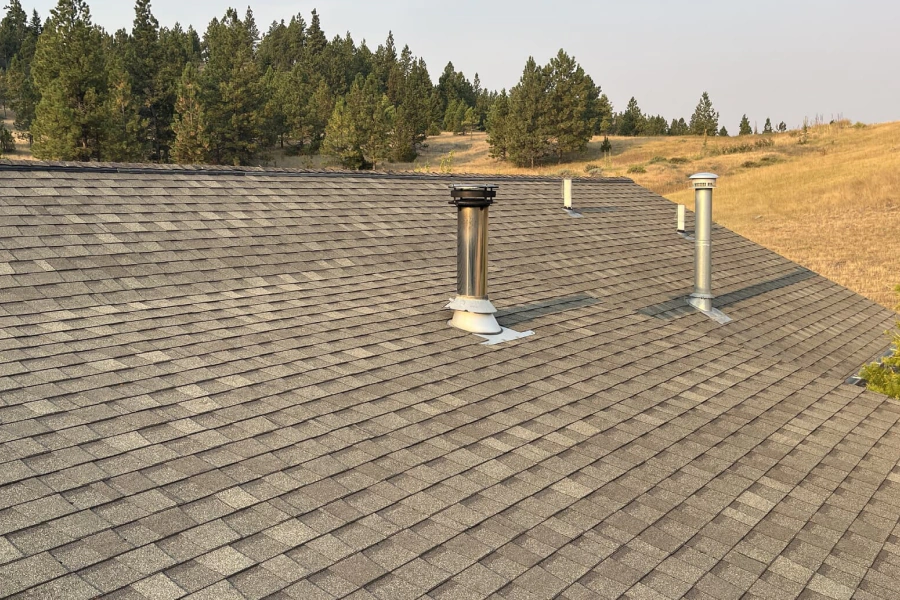
Most roofing failures do not happen overnight. They develop gradually through years of weather exposure, seasonal temperature swings, drainage issues, material aging, and small forms of damage that often go unnoticed. By the time a leak appears inside the building, the problem may have been developing for months.
That is why roof inspections play such an important role in protecting residential and commercial properties. An inspection provides an opportunity to identify concerns while they are still manageable. Instead of reacting to active leaks, interior staining, or storm-related emergencies, property owners gain insight into the current condition of the roofing system and the areas that may require attention in the future.
Many people assume inspections are only necessary when buying a property or filing an insurance claim. In reality, routine evaluations help property owners understand how their roof is aging, how seasonal weather is affecting performance, and whether maintenance can help extend the life of the system.
At Hearen Industries, we provide roof inspection and maintenance services that help property owners identify vulnerabilities, monitor roofing conditions, and make informed decisions about future repairs, maintenance, or replacement. Whether your roof appears to be functioning normally or you’ve noticed signs of deterioration, an inspection often reveals information that cannot be seen from the ground.
Why Roofing Problems Often Remain Hidden
One of the biggest misconceptions about roofing systems is that damage is always visible.
In many cases, roofing concerns develop beneath the surface. Water may enter through a small opening and travel through insulation or framing before creating any visible evidence indoors. Flashing can loosen over time without being obvious from ground level. Drainage issues may slowly affect roofing materials long before leaks occur.
Some of the most common issues discovered during inspections include:
- Early Leak Development: Small moisture entry points that have not yet produced interior symptoms.
- Storm Damage: Hail impacts, wind damage, and debris-related concerns that may not be immediately visible.
- Flashing Deterioration: Areas around chimneys, vents, skylights, and penetrations where water often enters.
- Drainage Problems: Conditions that allow water to remain on roofing surfaces longer than intended.
- Material Wear: Aging shingles, membrane deterioration, sealant failure, and other signs of gradual decline.
Because these issues often develop quietly, routine inspections provide an opportunity to identify concerns before they create larger restoration costs.
Situations When A Roof Inspection Makes Sense
While routine inspections are valuable, certain situations make evaluations especially important.
Many homeowners schedule inspections after severe weather events. Wind, hail, and falling debris can create damage that is difficult to identify without a closer assessment. Even when no leaks are present, hidden damage may still exist.
Commercial property owners often schedule inspections as part of ongoing maintenance planning. Understanding current roof conditions helps support budgeting decisions and long-term property management.
Roof inspections are commonly recommended:
- After hailstorms
- Following high-wind events
- Before listing a property for sale
- During property purchases
- Before winter weather arrives
- After discovering interior moisture
- As part of annual maintenance planning
- Following significant roof repairs
The goal is not simply to find problems. The goal is to understand the condition of the roofing system before problems become emergencies.
What A Professional Roof Inspection Typically Includes
A thorough inspection evaluates more than the visible roofing surface.
Roofing systems function as a collection of interconnected components. Problems affecting one area often influence other parts of the system. That is why inspections should consider drainage, flashing, penetrations, ventilation, and material condition rather than focusing on a single element.
Depending on the property, inspections may include:
- Roofing surface evaluation
- Flashing assessment
- Drainage review
- Gutter inspection
- Ventilation observations
- Leak investigation
- Storm damage evaluation
- Rooftop equipment review
- Solar panel condition checks
- Maintenance recommendations
For commercial properties, inspections may also involve reviewing roof access areas, rooftop equipment locations, and conditions affecting maintenance planning.
The findings help property owners better understand both immediate concerns and long-term maintenance priorities.
The Value Of Ongoing Roof Maintenance
Inspections provide information. Maintenance helps address what that information reveals.
Many roofing systems last longer when small concerns are addressed before they develop into larger repairs. A loose flashing component may require minimal attention today but become the source of a leak after a winter storm. Minor drainage concerns may eventually contribute to material deterioration if left unresolved.
Maintenance often focuses on:
- Drainage performance
- Flashing adjustments
- Sealant repairs
- Debris removal
- Minor corrective work
- Storm preparation
- Leak prevention measures
Property owners sometimes view maintenance as an unnecessary expense because the roof appears functional. In reality, maintenance often helps reduce unexpected repair costs and improves the likelihood that the roofing system reaches its intended lifespan.
Like any major building component, roofing systems generally perform better when monitored consistently rather than ignored until failure occurs.
How Helena Weather Influences Inspection And Maintenance Needs
Montana weather creates conditions that make inspections especially valuable.
During winter, snow accumulation and ice formation place additional stress on roofing materials and drainage systems. Freeze-thaw cycles can enlarge small openings and accelerate deterioration around vulnerable areas.
Spring often exposes issues that developed during colder months. Snowmelt may reveal drainage concerns, flashing failures, or moisture intrusion that remained hidden beneath snow cover.
Summer introduces different challenges. Heat, ultraviolet exposure, strong winds, and hailstorms can all affect roofing performance and contribute to material wear.
Because roofs experience year-round environmental exposure, inspections provide a way to monitor how seasonal conditions are affecting the system and identify developing concerns before they become more costly.
Planning Ahead Often Costs Less Than Reacting Later
Many of the largest roofing expenses begin with issues that could have been identified earlier.
A routine inspection cannot prevent every roofing problem, but it can improve awareness and support better decision-making. Property owners who understand the condition of their roofing system are often better prepared to budget for repairs, prioritize maintenance, and plan for eventual replacement when the time comes.
Whether you need roof inspection services for insurance purposes, preventative maintenance planning, storm damage evaluation, leak concerns, or general property management, Hearen Industries helps residential and commercial property owners gain a clearer understanding of their roof’s condition.
Related Services:
- Residential Roofing Services
- Commercial Roofing Services
- Roof Repair Services
- Roof Replacement Services
- Roof Leak Detection Services
- Storm Damage Restoration Services
Frequently Asked Questions About Roof Inspection Services
How often should a roof be inspected?
Most properties benefit from annual inspections and additional evaluations after significant weather events.
Can an inspection identify hidden leaks?
In many cases, inspections can identify signs of moisture intrusion before visible interior damage develops.
Are inspections useful if the roof is not leaking?
Yes. Many roofing issues develop long before leaks become noticeable.
Should a roof be inspected after a hailstorm?
Yes. Hail damage is not always visible from the ground and may affect roofing materials in subtle ways.
What is the difference between an inspection and maintenance?
An inspection identifies current conditions. Maintenance involves addressing concerns discovered during the evaluation.
Can inspections help extend roof lifespan?
Routine evaluations often support earlier intervention, which may help reduce long-term wear and deterioration.
Are commercial roof inspections different from residential inspections?
Commercial roofs often involve additional considerations such as drainage systems, rooftop equipment, and access points.
Can inspections help with insurance documentation?
In some situations, inspection findings may help support discussions regarding storm-related damage.
Find Roofing Issues Before They Become Emergency Repairs
Schedule an inspection and gain a clearer understanding of your roof’s condition.